 |
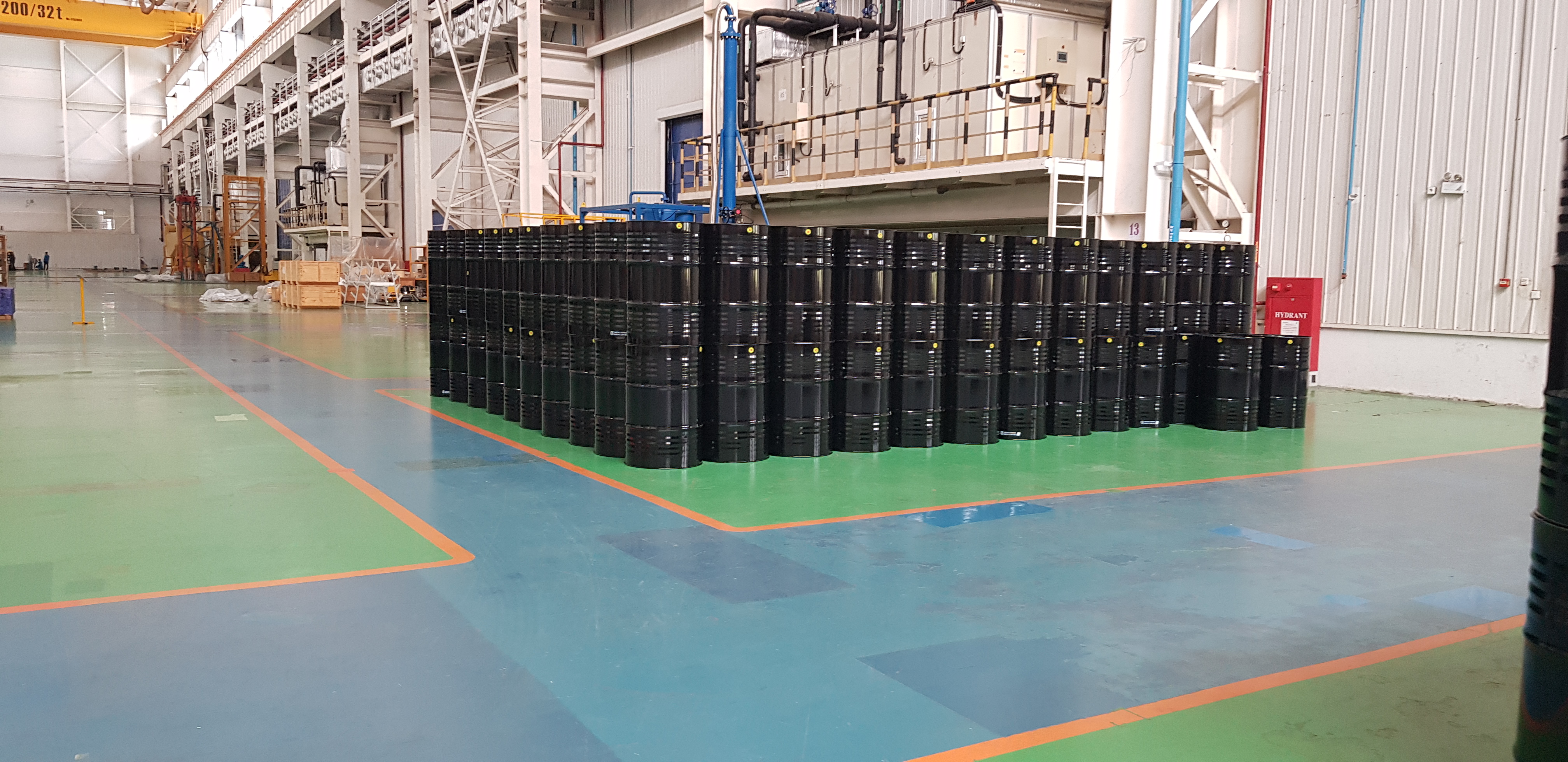
| Empty barrel will be filled with oil Dinototosugiarto, CC BY-SA 4.0, via Wikimedia Commons |
Introduction
Oil is often referred to as the lifeblood of the global economy.
From powering industries to fueling transportation networks, oil serves as a critical energy source that impacts virtually every sector. The volatility of oil prices has far-reaching implications on the economies of both oil-exporting and oil-importing nations.
Understanding how fluctuations in oil prices affect economic growth, inflation, employment, trade balances, and geopolitical stability is essential for policymakers, investors, and businesses. This essay provides a comprehensive exploration of the mechanisms through which oil prices shape national economies, examines historical and modern trends, and analyzes future prospects for countries affected by oil market dynamics.
.png)
Oil Barrel
AnonymousUnknown author, Public domain, via Wikimedia Commons
I. The Global Oil Market and Price Formation
AnonymousUnknown author, Public domain, via Wikimedia Commons
A. Supply and Demand Fundamentals
The global oil market operates based on the principles of supply and demand.
Oil prices are influenced by production levels, technological advancements in extraction, global consumption patterns, and inventory levels.
Key organizations like OPEC (Organization of the Petroleum Exporting Countries) and OPEC+ play a crucial role in regulating supply and stabilizing prices.
For instance, when OPEC reduces output, oil prices tend to rise due to constrained supply. Conversely, increased production by non-OPEC countries, like the U.S. shale industry, can lower global oil prices. Seasonal demand fluctuations, especially during winter and summer in industrialized nations, also contribute to short-term volatility.
B. Geopolitical Factors Affecting Oil Prices
Geopolitical tensions significantly impact oil prices. Conflicts in the Middle East, sanctions on major oil producers, or political instability in oil-rich countries can lead to supply disruptions and price spikes. For example, sanctions on Iran and Russia have historically influenced global oil prices and, by extension, economic conditions in multiple nations.
Additionally, alliances between major producers and technological innovations in alternative energy sources contribute to the long-term stabilization or volatility of oil prices.
II. Oil Prices and Macroeconomic Indicators
A. Impact on Inflation
Oil is a major input cost in transportation, manufacturing, and energy production. When oil prices rise, the cost of goods and services increases, leading to higher inflation rates in oil-importing countries.
For example, countries heavily reliant on imported oil, such as India and Japan, often experience inflationary pressures during periods of high oil prices. Central banks may respond with tighter monetary policies, including interest rate hikes, to curb inflation, which can impact overall economic growth.
B. Influence on Economic Growth
1. Oil-Exporting Countries
High oil prices generally boost the economic growth of oil-exporting countries like Saudi Arabia, Russia, and Nigeria. Increased revenue from oil exports allows these countries to invest in infrastructure, social programs, and sovereign wealth funds.
However, overdependence on oil revenue can make these economies vulnerable to price shocks. For example, the 2014 oil price collapse resulted in severe budget deficits and slowed economic growth in many oil-exporting nations.
2. Oil-Importing Countries
Conversely, rising oil prices increase production costs and reduce disposable income in oil-importing countries. Nations such as India, Japan, and the European Union often experience slower growth and trade imbalances during periods of high oil prices.
C. Effects on Employment
Oil price fluctuations also influence employment patterns. In oil-exporting countries, higher revenues can lead to job creation in energy sectors and allied industries. In oil-importing nations, high oil prices may increase costs for transportation and manufacturing, potentially leading to layoffs and reduced hiring.
.jpg)
AirAsia Aircraft
Rawipad C.KKU from Khon Kaen, Thailand,
CC BY-SA 2.0, via Wikimedia Commons
III. Oil Prices and Trade Balances
Rawipad C.KKU from Khon Kaen, Thailand,
CC BY-SA 2.0, via Wikimedia Commons
A. Oil-Exporting Nations
For oil-exporting nations, higher oil prices lead to trade surpluses, stronger currencies, and increased foreign reserves.
These surpluses provide governments with fiscal flexibility to invest in economic diversification and development.
However, dependence on oil revenues can create a “resource curse,” where overreliance on oil stifles other sectors like manufacturing and services.
B. Oil-Importing Nations
Oil-importing countries face trade deficits when oil prices rise. Increased import bills can weaken national currencies, exacerbate inflation, and reduce foreign exchange reserves. Policies such as energy subsidies may partially mitigate the impact but can strain government budgets.
IV. Fiscal Policies and Government Budgets
A. Oil Revenue and Fiscal Stability
For countries where oil revenue represents a large portion of government income, oil price volatility directly affects fiscal stability. Countries like Saudi Arabia and Kuwait adjust their national budgets according to anticipated oil prices, allocating funds to infrastructure, healthcare, and social programs.
When prices fall, governments may cut spending, leading to reduced economic growth and social unrest.
B. Subsidies and Taxation
Many oil-importing countries provide subsidies to offset high fuel costs for consumers. While this strategy temporarily protects citizens from inflation, it can create long-term fiscal deficits if high oil prices persist. Conversely, some governments levy taxes on oil profits to stabilize budgets and fund diversification projects.
_(53844898894).jpg) |
| International Monetary Fund (IMF) Washington, DC ajay_suresh, CC BY 2.0, via Wikimedia Commons |
V. Oil Prices and Investment Trends
A. Foreign Direct Investment (FDI)
Rising oil prices can attract foreign investment into oil-rich regions, stimulating local economies. However, prolonged price volatility may deter investors due to uncertainty.
Investment trends are also shifting towards renewable energy, especially in nations vulnerable to oil price shocks. Countries that diversify their energy portfolio tend to exhibit more economic resilience.
B. Infrastructure and Energy Development
Oil price surges often fund large-scale infrastructure and energy development projects. For instance, high oil revenues in Gulf countries have financed urban development, transportation networks, and diversification into non-oil sectors.
VI. Case Studies: The Impact of Oil Price Volatility
A. Saudi Arabia
Saudi Arabia’s economy is heavily reliant on oil exports. During the 2020 oil price collapse, the country faced budget deficits, prompting cuts in subsidies and social spending. Conversely, the 2022-2023 oil price surge allowed significant investment in the Vision 2030 plan, diversifying the economy.
B. United States
The U.S. is both a major oil producer and consumer. Fluctuations in oil prices affect gasoline prices, industrial production costs, and inflation. The shale boom provided economic resilience, but global price volatility still impacts trade and energy policies.

Indian Port
MoPSW, CC BY-SA 4.0, via Wikimedia Commons
C. India
MoPSW, CC BY-SA 4.0, via Wikimedia Commons
As a major oil-importing nation, India’s economy is sensitive to global oil price changes.
Rising prices increase import bills, pressure government budgets, and contribute to inflation.
The government often adjusts subsidies and promotes alternative energy sources to mitigate the effects.
VII. Geopolitical Implications
Oil prices influence global power dynamics and international relations. High oil prices empower oil-exporting nations politically and economically, while oil-importing nations may form alliances to ensure energy security. Conflicts or trade sanctions can trigger price shocks that ripple through the global economy.
VIII. Modern Trends and Future Outlook
A. Shift Towards Renewable Energy
Rising oil price volatility has accelerated the global transition to renewable energy. Countries are investing in solar, wind, and electric mobility to reduce dependence on oil and enhance energy security.
B. Technological Innovations
Advancements in energy efficiency, electric vehicles, and battery storage are changing the demand curve for oil. While oil will remain a critical energy source, its economic influence may gradually diminish as countries diversify their energy portfolios.
C. Policy Recommendations
-
For Oil-Exporting Countries: Invest in economic diversification, build sovereign wealth funds, and stabilize budgets against price volatility.
-
For Oil-Importing Countries: Promote energy efficiency, invest in renewable energy, and implement strategic reserves to mitigate shocks.
Conclusion
Oil prices have a profound and multifaceted impact on global economies. For oil-exporting nations, high prices provide fiscal benefits and economic growth but create vulnerabilities to price collapses. For oil-importing nations, high prices can trigger inflation, trade deficits, and slower economic growth.
Understanding the link between oil price dynamics and economic indicators is essential for policymakers, businesses, and investors. With ongoing geopolitical tensions, technological innovation, and the shift toward renewable energy, the global economic landscape will continue to be shaped by oil prices, albeit with evolving patterns and influence.


.png)
.jpg)
_(53844898894).jpg)

No comments:
Post a Comment